
Buying a Polocrosse Horse Part 2: From Polocrosse
This week we will be focusing on one of the most difficult parts of the sport – finding your polocrosse pony! Today, A grade player and horse trainer Hamish Gillanders looks at the merits of buying an established polocrosse pony that is already playing the game.
When you’re looking to buy a ‘ready made’ polocrosse horse, let your fellow club members know as word of mouth can be very useful, especially in such a small sport. Lots of school leavers take time out of polocrosse for travelling or for work, and often they are keen to keep their horses in the sport, so keep an eye out.
As polocrosse horses get older, it is common for them to find themselves in the Junior divisions, passing on their wisdom. If you are a young player looking for a schoolmaster, ask around for any higher level players looking to retire their horse from top level. These can be quite a jump in horse power but will give you years of fun as they’ll practically play the game for you!
The ideal place to view a polocrosse horse is at a tournament where it’s being played. This allows you to see how it goes for its current owner, and you can try it when it’s at playing fitness. If you try a horse ‘out of season’ it can be a very different animal to when it’s fit. Remember that these horses will be playing all weekend, so be considerate and ask the owner when it would be appropriate to try the horse.
Watch the horse play and note its behaviours in the line out, during ride offs and any area work. Look how it rides at the end of the game when it’s tired – does it get heavy, or start to ‘dog’ and not go forward? Does the horse fight the rider when being asked to slow down or change direction?
When you try a horse out for yourself, allow it time to warm up before asking any questions of it. Pay attention to how it feels to you; is it a bit keen to go? Or a bit of a kick along? Is it super responsive to your weight? Or does it keep itself in a straight line? For myself the biggest thing to pay attention to is the ‘comfy’ factor. Do you feel comfortable on the horse? There isn’t much point in getting a horse you don’t enjoy sitting on, as most of your time will be spent on its back! A smooth canter is a real bonus, having a constant jarring from the canter can really start to get old.
It’s important to see how the horse feels in more of a ‘game’ situation. Can you push the horse on faster and bring it back easily? Put in a turn to both sides and feel how it responds. Does the horse still listen to your aids when doing faster work? When you want to get down to the business of stops and turns it can be very useful to get some help from the owner with regard to aids and cues. Everyone rides differently and after all they do know the horse better than you. When I’m trying a horse out it is the basics I look for most. Can I steer it around with one hand? Do I have left and right canter leads when asked? Will it easily stop and take a few steps back? Basic natural balance can never be underrated.
The biggest mistake people often make when buying a horse already in the sport is to expect it to go the same for them as it did for its previous owner straight away. Horses take time to adjust to a change in rider, and you need time to adjust your own riding, too.
Club practises are your best friend here! Try the horse in all positions, as although it ‘always played a 3’ before, it might quite suit something different with you. Ask a friend to mark you up in the area and play around with some moves to see what happens when you press different buttons.
After all, nothing plays polocrosse quite like a polocrosse horse! They know the game, they know what their job is and they’re the fastest way of improving your level of play. Some older horses have helped numerous players reach international level, they’re worth their weight in gold.
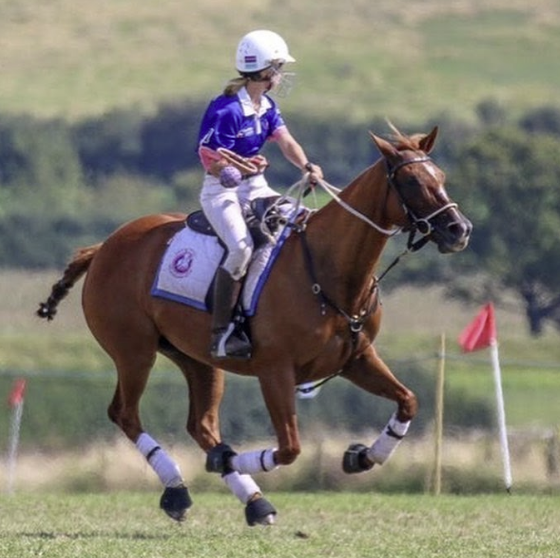
Attraction, owned by Sofia Best. Attraction used to be owned by Erin Tufnell who played her in A grade and Internationally. Sofia currently plays her in Open Juniors and has already improved loads with her!
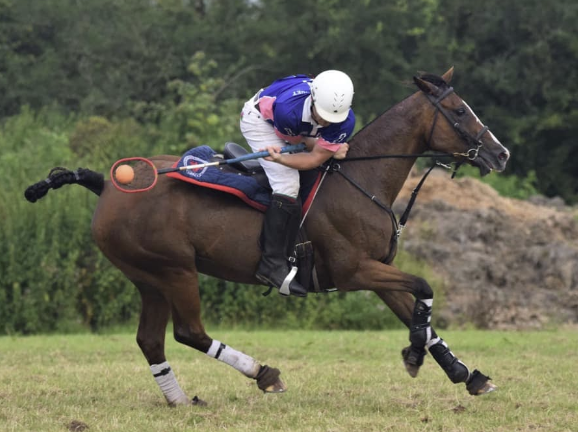
Jack Brown bought Chispa from polocrosse and has enjoyed an incredibly successful partnership. Although she’s famously tricky to ride, Chispa has all the moves (and then some!) and could probably score goals herself if you gave her a racquet!
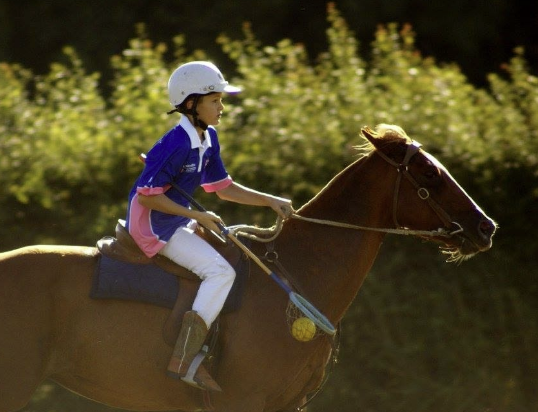
Jack Webb riding Wayward, an ex-A grader who had some time out before coming back from retirement to teach Jack a few tricks. Older ponies like Wayward are great for bridging the gap between PJs and Open Junior grades.
__

Hamish Gillanders is an experienced horse trainer who has just started his own horse training business after working alongside Jason Webb for the past three years. He has had excellent result with horses from all backgrounds and disciplines and is a natural teacher. Hamish has represented the UK and Scotland in polocrosse at Open level, and he enjoys brining on ‘project’ horses to compete at the top level. He has recently bought a young ex-racer called Edie, who will hopefully have what it takes!Find him on Facebook under ‘hghorsemanship’ or check out his website,www.hghorsemanship.co.uk