Buying a Polocrosse Horse Part 3: From Polo
This week we will be focusing on one of the most difficult parts of the sport – finding your polocrosse pony! Today, A grade player and horse trainer Hamish Gillanders looks the pros and cons of buying a pony out of polo.
If you’re after a ‘been there done that’ schoolmaster, you can often find something suitable that is being retired from polo. These are usually cheaper and make lovely family horses as long as you’re prepared to accept a few possible quirks along the way!
Although it’s always a good idea to get a horse vetted before buying, be realistic about what you’re expecting if you’re buying an older polo pony. It is very unlikely that they will pass a 5* with flying colours – a life of galloping and playing alongside other horses will generally lead to a few bumps and scrapes. These often aren’t a problem provided you aren’t going to be asking too much of the horse and carry out any appropriate maintenance. Talk to your vet to see what sort of complications these old injuries may cause before committing.
Polo, a bit like racing, tends to have its routines and traditions. For example, polo ponies tend to be worked in ‘sets’ of four or five and exercised by trotting or cantering laps. Players will often switch horses at pace in a game and this can sometimes lead to horses not standing still for getting on or off. Some polo ponies will also jog back to the yard after work. These are all little habits that could be changed with time and patience, however if you’re buying an older horse it might just be easier to let the little things go and not worry about altering these behaviours too much. After all you can teach an old dog new tricks, but it does take a very long time!
Older polo ponies have had a long life with probably a very similar routine for most of it! Don’t think that they’re only good for polo or polocrosse, though. Enjoy their willing nature and have fun with them, try something a bit different – I’ve known ex-polo ponies excel in all sorts including TREC and Pony Club activities.
On the other hand, if you’re looking for a younger polo pony to play at a higher level, expect to pay a bit more. As I said in my first article, often horses are sold out of polo if they’re difficult to play. This typically is due to the pressures of the game being too much for the horse mentally, and as polocrosse is a similar sport be aware that some horses will struggle to cope with this also.
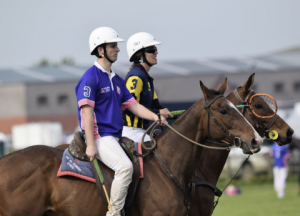
General issues with these ‘hot’ or ‘cooked’ polo ponies tend to include leaping, running through the bridle and generally not wanting to stop as well as an established polocrosse horse. This can become more prominent when in a game situation as the pace of the sport puts a lot of pressure on them, often causing the lack of brakes . These can of course be improved with schooling and time but consider the level of polocrosse you will be wanting to play. As every horse is different some may take far far longer than others, so it is always worth considering how long you have to school and improve a horse before wanting to play at the very highest you can.
Working on these issues with high energy horses is a long process, and it can sometimes feel like one step forward and two steps back! I am currently working on Goose, an ex-polo pony who is a little bit mad and wants to go in every direction possible and all the time. I’ve found that she has responded well to regular work throughout the week with a mix of high intensity and low intensity days.
Low intensity days should make up the majority of your workload. These include things like a gentle hack or trotting laps – anything that is uncomplicated and the horse can handle relatively easily without getting worked up. These days build control and level-headedness. They encourage the horse to relax mentally and improve their fitness and strength. However will not solely calm the horse down in game situations.
High intensity days will vary depending on the individual horse and on the stage of its schooling. These days should be spaced between slower rides, and will include activities which the horse finds mentally taxing. This could be something as simple as cantering calmly in a circle on a loose rein, or it may include some stick and ball practice. As the horse progresses these could then become club training and chukkas. These situations are much higher energy and will be a test of your control. Set up these high intensity days to be in an environment that you can control. For example, if you’re working with another rider, communicate to make sure they know when to put pressure on or when to back off.
These high intensity days will inevitably seem to set you back in terms of progress. However this is very normal and should be expected. As your horse improves, the impact of the low intensity rides will eventually carry over into the faster work and they will start to cope better with pressure and improve.
Clearly, working with horses that have labels of being ‘cooked’ or ‘difficult’ can be a challenging process. It is important to be realistic about the resources, time and experience available to you. Some problems, such as excitability around other horses will require a patient friend to help you practise. Consider what grade you are wanting to play. Often, non-competitive tournaments at lower grades can be a useful way to develop a horse’s confidence and it may be a long time (a couple of seasons even!) before the horse is ready to play safely at top level. It can be very dangerous to play a horse with potential control issues at high levels, as it’s likely that the high energy of the situation will cause your horse to lose its head and panic.
As with retraining of racehorses, reschooling a horse from polo to polocrosse can be very rewarding. There are some extremely talented horses out there who have just been a bit overwhelmed by polo and with care and patience will make fabulous playing horses again.
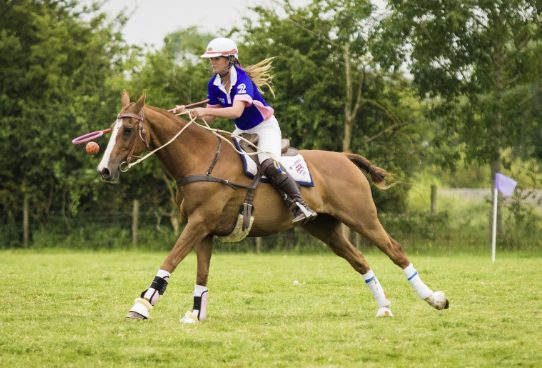
Izzy Baker-Cresswell got Nacho from polo as he was labelled ‘too hot and difficult to play’. He has taken to polocrosse extremely well and has already won Best Horse prizes!

Hamish Gillanders is an experienced horse trainer who has just started his own horse training business after working alongside Jason Webb for the past three years. He has had excellent result with horses from all backgrounds and disciplines and is a natural teacher. Hamish has represented the UK and Scotland in polocrosse at Open level, and he enjoys brining on ‘project’ horses to compete at the top level. He has recently bought a young ex-racer called Edie, who will hopefully have what it takes!Find him on Facebook under ‘hghorsemanship’ or check out his website,www.hghorsemanship.co.uk